Wand OS / The platform

One organization.
Human and agent.

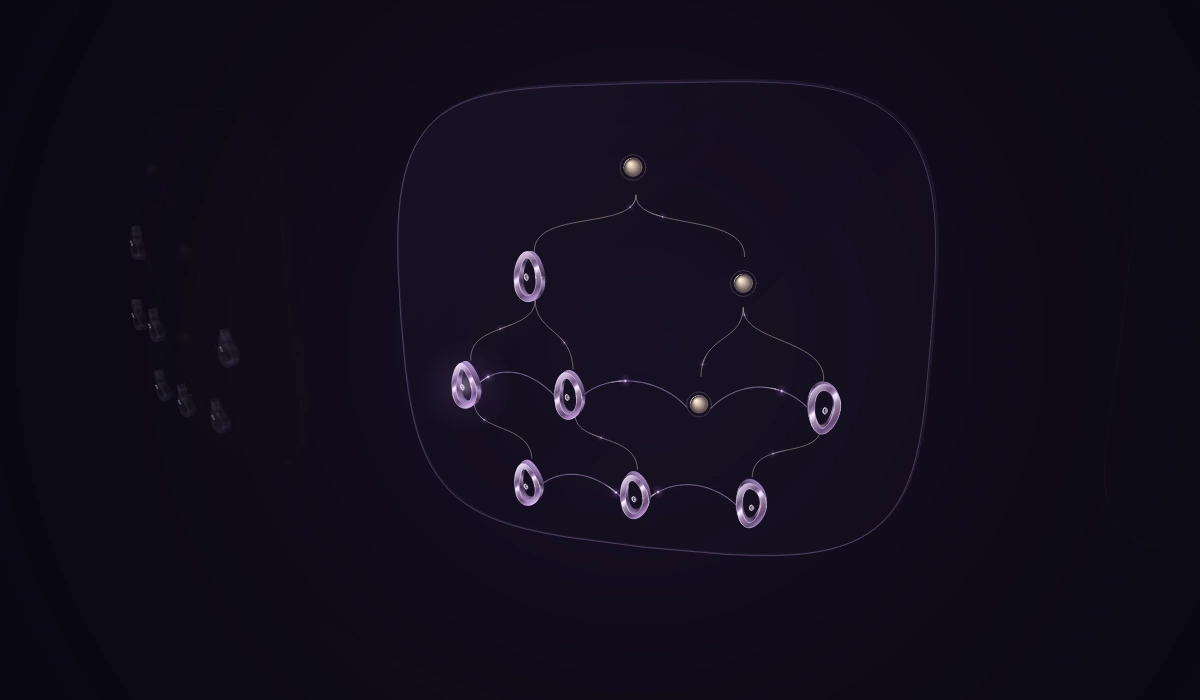
An autonomous worker needs a place in the organization. Wand OS brings people and agents into the same structure—with shared responsibilities, coordinated processes, and governance that follows the work.

Inside Wand OS

An organization.
Open to explore.

Meet the team. Design a process. Follow a goal into the work that moves it. Explore the connected workspace with an example organization.

WandOS
Example organization
Try this

Explore people and agents, or open Processes in the left sidebar to design how they work together.

Opening the example workspace

Interactive product example

Changes stay in this example. Reset starts fresh.

Explore with example data. Responses and activity are simulated locally; this workspace does not connect to a live organization.

01 / Wand Registry

Know who belongs.
And who owns what.

One centralized record for humans and agents connects every identity to a role, manager, responsibilities, capabilities, and authority. Teams and Governance use that same structure to coordinate work and make accountable decisions.

01 / Identity

A place in the organization.

People and agents appear in the same workforce. Each belongs to a team, reports to an accountable owner, and carries a defined responsibility. Managers can understand who is available and how the organization fits together.

02 / Responsibility

A clear mandate to act.

Connect the role to its objectives, permitted decisions, approved information, and working relationships. A reconciliation worker and a finance lead can pursue one outcome while holding different authority.

03 / Capability

Context that keeps developing.

Skills, experience, and operating history inform what each worker can take on. The organizational identity continues as an agent develops new methods, uses different resources, or takes on a revised responsibility.

Wand Registry / In the organization

An identity outlasts a session.

A role is more than a login or a model endpoint. Its objectives, authority, working relationships, and operating history connect it to the organization. An agent can keep that institutional identity as its underlying capabilities change.

One record informs every layer.

Teams can route work to the right person or agent. Governance can determine which policies apply. Managers can see where responsibilities sit and which capabilities are missing. The same registry supports all three decisions.

Teams brings that shared workforce into the day-to-day operating workspace.

Explore people and agents

02 / Wand Teams

Design the work.
Keep the outcome in view.

Bring people and agents into the same teams and processes. Design their work together, across shared responsibilities and connected systems. Define how work starts, what must be understood, who has authority to decide, and how the result will be verified.

01 / Define

Begin with the outcome.

Describe the responsibility you want to organize. Shape the stages and steps, connect the information they need, and match the work to the people and agents equipped to deliver it.

02 / Coordinate

Put judgment in its place.

Decide where a worker can proceed independently and where a named owner must review the evidence. People and agents can each hold responsibility for action or review, according to their mandate.

03 / Improve

See how the work runs.

Inspect individual runs and the steps that shape performance. Review proposed improvements, make changes in a draft, and understand the effect before bringing a new version into operation.

Wand Teams / In the organization

Define the process. Delegate the execution.

A process gives workers a shared destination and rules for coordination. Within that structure, an agent can investigate, choose a strategy, use the appropriate resources, and bring uncertain or unauthorized decisions to the right owner.

The right capability can change.

Work should follow demonstrated capability and explicit authority. A step may belong to a person, an agent, or a coordinated group. As skills develop, the process can be redesigned without losing the responsibility and evidence around it.

Process design lives inside Teams. Draft a process, assign people and agents, inspect its design, and follow a simulated run.

Open Teams · Processes

03 / Wand Governance

Shared direction.
Explicit boundaries.

Policies, OKRs, and gap analysis belong in the operating environment of the whole workforce. Wand Governance connects what the organization wants to achieve with how people and agents are permitted—and equipped—to achieve it.

01 / Policies

Authority follows the work.

Apply a shared organizational standard to people and agents. Define approved information and systems, set the limits of delegated decisions, and retain the evidence behind consequential actions.

02 / OKRs

Connect ambition to progress.

Give people and agents shared objectives and inspectable key results. Connect each goal to its owners, the processes moving it, and the evidence that shows whether the organization is on course.

03 / Gaps

Make the next decision visible.

Identify what stands between an objective and the workforce delivering it. A missing skill calls for development; a missing mandate needs an authorized owner; insufficient capacity calls for a different allocation of work.

Wand Governance / In the organization

Governance belongs inside execution.

Objectives should inform the work people and agents initiate. Policies should shape the actions each is authorized to take. Gaps should be visible before they become failed obligations. Governance becomes an active part of operating the workforce.

Learning has an organizational destination.

A verified new capability can change the registry, inform a process redesign, and close a capability gap. It still needs to be appropriate to the role, the data boundaries, and the circumstances in which it will be used.

Explore goals, workforce structure, policies, and the gaps that connect them in the example organization.

Explore Wand Governance

An operating system, connected

One shared context.
From role to result.

Agents carry out the work. Teams coordinates people and agents around shared processes. Governance connects their policies, objectives, and capability gaps. The same Registry gives humans and agents a place, a role, and clear responsibility throughout.

One shared Registry for people and agents. Learning and evidence inform every layer.

Build an organization
for a new workforce.

Explore the workers that operate within Wand OS, or start with an enterprise responsibility you want to transform.

Wand for enterprises